

Back in 2016, the average smartphone user spent less than 2GB browsing the internet on their phone. Today, that number is estimated to exceed 25GB, and it’s only projected to grow in the foreseeable future. Pair this with the fact that video ads have been among the most popular advertising methods for a while now, and you’ll clearly see why mobile video advertising is important for publishers.
Let’s take a closer look at what mobile video advertising is, how it works, and why you should consider it.
What Is Mobile Video Advertising?
Mobile video advertising is the process of delivering video ads to users in mobile environments. While smartphones make up the largest portion of this landscape, it also includes other mobile devices such as tablets.
Mobile video ads are generally lauded as highly effective. With the right mobile video advertising platform, publishers can achieve pretty high CPMs through this format.


Follow TargetVideo on LinkedIn to stay up-to-date with the latest developments in the industry!
Follow UsTypes of Mobile Video Advertising
All mobile advertising can be divided into two distinct categories – in-app mobile advertising and mobile web advertising. The difference, obviously, is whether the ad is being served in a mobile app or on the web.
You might also be interested in: In-App vs Mobile Web Advertising
Most Popular Mobile Video Ad Formats
There are different video ad formats you can include in your mobile ad monetization strategy. Which ones you choose will depend on several factors, such as whether you’re monetizing a mobile website or app, the type of content you want to monetize, desired revenue, environment layout, and more. Let’s take a look at a few of the most popular mobile ad formats.
1. Instream Video Ads
Easily one of the most common video ad formats out there, instream ads show up during an existing video stream (either before the video as pre-roll ads, during the video as mid-rolls, or after the video as post-roll ads).
Pros and Cons of Instream Video Ads
-
High CPMs
-
Great viewability
-
Large demand
-
Requires existing video content
-
Intrusive to user experience
Want to earn from instream video ads but don’t have any video content? Check out TargetVideos Video Content for Publishers!
2. Outstream Video Ads
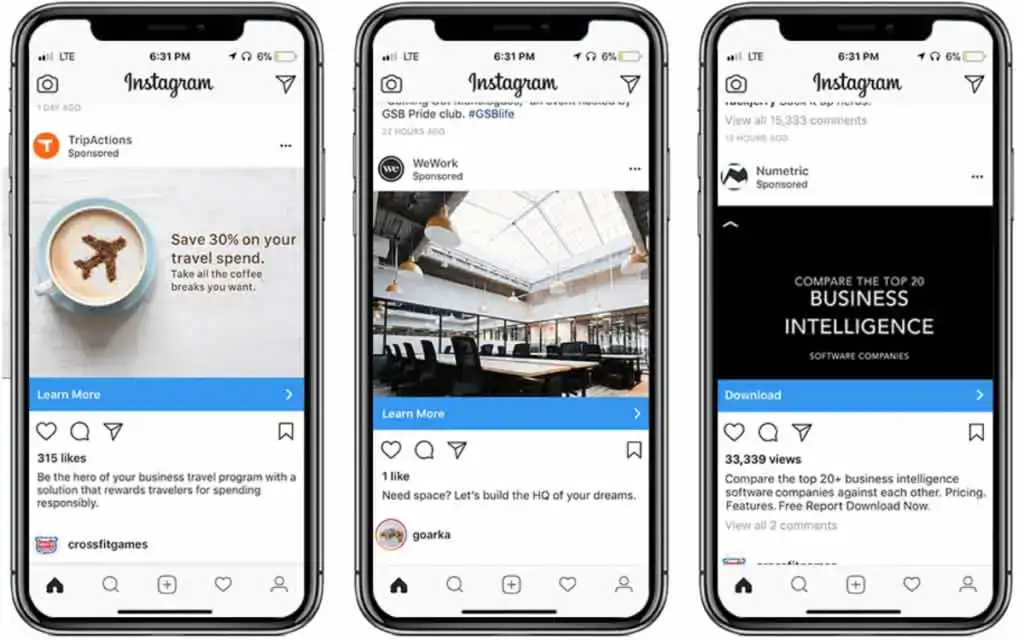
Unlike their instream counterparts, outstream ads don’t require existing video content. Instead, they show up as standalone units, either in the form of a sponsored video (which is most common in in-app advertising) or in the corner as you scroll through the website.
Pros and Cons of Outstream Video Ads
-
Don’t require video content
-
Excellent for native advertising
-
Attention-grabbing
-
Can be annoying to users
-
Lower CPMs than instream ads
Read more about the difference between instream and outstream video ads.
3. Interstitial Video Ads

Often used in mobile apps, interstitial ads are pop-ups that cover the entire screen. They usually show up in screen transitions, between game levels, and similar. These ads require users to watch for a set duration, typically 10-15 seconds. Once finished, they can take actions suggested through a CTA embedded with deep links, for instance, “Shop Now” or “Earn Lives”.
Interstitial ads aren’t necessarily video ads – they come in a variety of static and rich media ad formats, although videos are among the most common ones.
While interstitial video ads are quite attention-grabbing (they’re, quite literally, impossible to ignore), they are extremely intrusive and can be pretty annoying. In other words, they should be used sparingly and only in certain mobile apps.
Pros and Cons of Interstitial Video Ads
-
Very engaging
-
High CTRs
-
Good for mobile games
-
Very intrusive
-
Not a good choice for all publishers

4. Rewarded Video Ads

Much like interstitials, rewarded ads don’t have to be in the video format, although they most commonly are. What makes these ads stand out is that they are user-requested. They are most popular in mobile games, and they reward the player for viewing the ad (for instance, with in-game currency, extra lives, and so on).
Pros and Cons of Rewarded Video Ads
-
High CPMs
-
Great for mobile games
-
High user engagement
-
Lower CTRs
-
No guaranteed inventory
Read More: A Complete Guide to Mobile Game Monetization
Mobile Video Advertising Statistics in 2024
As I already mentioned, the amount of data users spend browsing the web using their mobile devices has grown by more than ten times in the past decade, according to Statista. This makes the mobile environment a lucrative opportunity for publishers to tap into large new audiences. Additionally, around 70% of video consumers on the internet prefer to access video content on mobile devices, rather than computers or CTVs.
With numbers like these, it’s no wonder that mobile advertising, and more specifically, mobile video advertising has become a must in so many marketers’ rosters. In fact, according to eMarketer, mobile advertising makes up two-thirds of the entire digital ad spend.
Benefits of Mobile Video Advertising for Publishers
Video ads can be a powerful monetization tool for any mobile publisher. But why is mobile video advertising so effective? Here are a couple of major benefits I’ve noticed:
-
Better Ad Performance — Videos are incredibly engaging by themselves, but mobile technology offers much more than just traditional video ads. Mobile technology allows advertisers to include interactive video elements or even minigames, making them the most interactive form of advertising on the market.
-
Higher Profitability — Since mobile video ad formats tend to perform well, the demand among advertisers is pretty high. This, in turn, results in higher CPMs for publishers.
-
Better Fraud Protection — Preventing ad fraud on mobile is significantly easier than on desktop. This means that both publishers and advertisers are better protected from malicious advertising practices.
-
Wide Variety of Formats — Compared to video advertising on the web, in-app video ads come with a wider range of formats. For instance, by using interstitial or rewarded video ads, publishers can make the UX smoother and the promotional content less annoying and intrusive.
-
Less Ad Blocking — While ad-blocking technology runs rampant on PCs, that is not the case for mobile devices (yet).
How to Monetize Your Mobile Website or App
If you’re looking to reap the benefits of mobile ad monetization, you’ll need a good mobile ad network by your side. The offer is vast, and the right choice will largely depend on exactly what you’re looking for, your budget, and your personal preferences.
If you’re operating a cross-device publishing network, it would be a good idea to go for an ad monetization platform that provides monetization services for various environments. That way, you’ll get an all-in-one solution, rather than having to shop around for a mobile-specific app monetization platform.
Monetize Mobile Traffic With TargetVideo
Whether you have a cross-device-optimized website or an app, if you’re not monetizing your mobile content, you’re missing out on valuable revenue. After all, all it takes is some understanding of mobile video ads and the right network by your side! With TargetVideo, you can easily monetize video content, manage your library, and so much more.
And if you’re not a mobile publisher yet, but want to publish an app, TargetVideo can help with that, too. Our white-label OTT solution allows publishers to launch sleek-looking, highly functional OTT apps across devices with little effort.

FAQ
1. What is the average CPM for mobile video ads?
The average CPM for mobile video ads can go anywhere from a few dollars to a few dozen dollars. The precise cost will depend on ad type and placement, a publisher’s audience size, ad network, and more.
How much is being spent on mobile video advertising?
Around $138bn will be spent on mobile video advertising in 2024, according to Statista. By contrast, that number is considered to be around $54bn for desktop video advertising.
What are the latest trends in mobile video advertising?
The latest trends in mobile video advertising include the increased use of generative AI, the return of product videos, and a more widespread use of user-generated content for advertising.


