

With the rise of video consumption across various devices and platforms, incorporating digital video advertising into your strategy is no longer optional — it’s a necessity.
For website publishers, video advertising can significantly boost revenue and improve user engagement. And for advertisers, video ads are a truly powerful tool in the current competitive advertising market, since they are much more engaging and appealing to audiences. From video ad formats to advanced ad technology, here’s my introduction to all the ins and outs of digital video advertising.
What Is Digital Video Advertising and Why Does It Work?
Digital video advertising means delivering promotional video content to a target audience using various online channels. In other words, it means distributing video ads over various web content.
But the real question here is — why does it work so well? The best way to answer that is to look at the alternative. The most commonly used method to this day is display advertising, and this is unlikely to change. However, digital video ad spend keeps increasing each year. So, what’s the deal with this sudden interest in video?
Nowadays, video content consumption is at its peak. So it’s not surprising that viewers see video ads as more engaging than static ones. Additionally, in 2023, video ads were the number one way consumers discovered a brand they later purchased from. So while display ads remain a staple, not having video ads in your strategy will be a minus, especially when everyone else is doing it.


Follow TargetVideo on LinkedIn to stay up-to-date with the latest developments in the industry!
Follow UsWhy Brands Should Use Digital Video Advertising
While I have already pointed out some advantages to using videos in your marketing strategy, here are the most significant benefits for marketers and brands:
-
Engagement — Due to their visually dynamic nature, videos are much more engaging to viewers than traditional display ads. Now more than ever people are accustomed to watching video content instead of reading lengthy articles or looking at static images. In fact, according to a 2023 study, 91% of viewers would like to see more online videos from brands.
-
Flexibility — You can incorporate a variety of videos into your marketing campaign. Short clips, long-form content, live streams, and even explainer videos offer a great way to expand your reach as you will cater to various audiences.
-
Shareability — The biggest advantage of videos is their shareability. When viewers come across video content that is engaging, entertaining, or informative, they are more inclined to share it with their friends, family, or followers on social media platforms. To be precise, users are 52% more likely to share video content than any other type of online content. This can result in generating more leads and driving conversions.
Digital Video Advertising Trends to Keep in Mind
For advertisers looking to get started with video advertising, I listed three key trends that you should keep in mind when planning your future strategy:
-
Users Like Shorter Ads — Video ads should ideally be short and straight to the point, typically under 30 seconds, to make a strong impact. While longer ads might work for detailed product presentations or TV commercials, short-form video advertising is the best way to promote a product or service in the fast-paced digital world.
-
The Mobile Market Is the Place to Be — Mobile traffic makes up for half of all web traffic worldwide. So, including mobile video advertising in your strategy lets you tap into an ever-growing pool of potential consumers.
-
Native Video Ads Are on the Rise — Marketers are always looking for new ways to promote without being too intrusive to users. Especially now, when ad fatigue is at its peak and the Internet is oversaturated with display and instream ads. That’s where native ads come in. They blend smoothly with the content around them, making them less disruptive to the user’s overall experience. So, consider native video advertising when coming up with your strategy.
You Might Also Like: 8 Tips for Making an Effective Video Ad
Why Publishers Should Monetize With Video Ads
Now that I’ve discussed why video ads are a great choice for advertisers, it’s time to look at all the ways they can benefit publishers. While display ads appear like a safer option when choosing ad formats, due to the consistent demand for display inventory, they are not always the most profitable choice. Video ads, on the other hand, have the potential to generate greater revenue and boost engagement. However, most publishers choose to combine the two, featuring both display and video ads on their websites. To sum it all up, by monetizing your website with video ads, you can have:
-
Greater Earning Potential — Video ads typically yield higher CPMs compared to traditional display ads, greatly improving the publisher’s revenue.
-
Increased User Engagement — Video content is more engaging and captivating than static. As a result, website visitors are more likely to stay on the website longer.
-
More Advertising Inventory — Incorporating video ads expands the publisher’s available ad inventory and allows them to serve more ads. Publishers can have multiple instream ads, use display ads and outstream video ads on the same page, and many other combinations.
Types of Digital Video Ads
Publishers need to carefully consider factors such as the impact on user experience, website layout, and monetization goals when choosing the type of video ads they wish to feature on their website. On the other hand, advertisers need to consider whether the placements are beneficial for their campaign as well as an efficient format for their target audience. To lend a helping hand, here are the most commonly used video ad types:
-
Instream Ads
-
Outstream Ads
-
In-Banner Video Ads
-
Native Video Ads
-
Interstitial Video Ads
Instream Video Ads

Instream video ads are placed inside existing video content — an ad interrupts video playback at a particular point and plays. Depending on when these ads play within a video, there are three types of instream ads:
-
Pre-rolls — Pre-roll ads play before a video starts.
-
Mid-rolls — Mid-roll ads play at some point during video playback. That point is called a cue point.
-
Post-rolls — Post-roll ads play after the video ends.
Your choice between these three will depend on your goals and needs. Pre-roll ads are best for maximizing impressions, and post-rolls excel at generating quality leads for brands. Although mid-rolls are the most attention-grabbing and effective, they can get quite intrusive (I’m looking at you, YouTube), so make sure not to overdo them.
Outstream Video Ads

Outstream video ads usually appear on the side (outside content) while users are scrolling down a page. These ads have higher viewability than most other video ad types since they don’t obstruct and distract users from other content. They typically start playing when they are in view, and they may pause or stop if the user scrolls past them or if they’re not visible anymore, ensuring a better user experience.
There are three types of outstream video ads:
-
In-Content Outstream Ads — These ads appear as a video player within editorial content once users scroll down to it.
-
In-Slide Outstream Ads — These ads appear in one of the corners of the screen and follow a user as they scroll down the web page.
-
Hybrid Outstream Ads — Hybrid outstream ads start as in-content outstream units but transform into an in-slide sticky unit and follow the user once they scroll past the in-content video ad.
These ad units are an excellent choice for publishers who don’t have much video content on their websites as it gives them extra ad inventory.

In-Banner Video Ads
In-banner video ads are usually rich media ads like GIFs or short videos in banner ad slots on a particular web page. These don’t always have to be videos, but the video ones are much more effective. These videos are usually quite short. Most often, there are three ways these ads can start playback:
-
When a user clicks the play button.
-
Automatically, as soon as they come into sight.
-
When a user hovers their cursor over them.
Native Video Ads
Native ads match the context of the website or app they appear on. They can combat banner blindness and are a great choice for non-intrusive advertising. However, if you’re interested in something even more subtle, TargetVideo’s native video advertising model is an excellent solution.
With our model, brands can subtly promote their products in our in-house produced videos covering various areas (DIY, auto, sports, home & living, and more). As a result, website visitors’ viewing experience is not in any way disrupted, while advertisers and brands get to promote their products in a truly non-intrusive way.

Interstitial Video Ads
Interstitial ads are interactive ads that typically cover the entire screen of a website or application they appear on. These are extremely common on mobile devices, especially in mobile video games. They often appear at a natural break or transition point within the app content so that they don’t disrupt the user experience. If you’re planning to target mobile users, these ads are likely the perfect starter choice.
All-In-One Solution for Publishers and Advertisers — TargetVideo
TargetVideo offers its publishers two great ways to earn more from video. With our Managed Video Player, publishers get video content, monetization, and optimization all in one! They can just sit back and relax as our designated publisher success managers handle everything, from ad configuration to content selection.
For publishers who want more control over their business, our video platform is the perfect solution. Content management, distribution, and monetization are all up to you, but if you need any help, our dedicated support is right there. In addition, our robust platform also includes advanced revenue optimization tools, live streaming, and OTT solutions.
Last but not least, with our advertising solution we offer our advertisers well-targeted premium ad placements across a network of top-tier publishers, an exclusive library of original video content, all industry-standard ad formats, and extensive campaign production services.
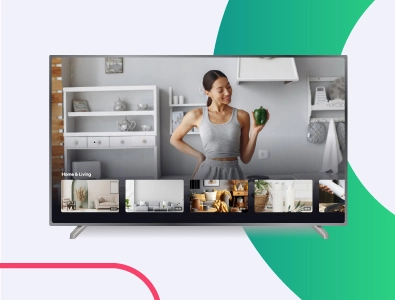
Reliable video-on-demand solution:
– Video Hosting
– High-Quality Streaming
– Content Management
– Ad-Powered Monetization


